networking
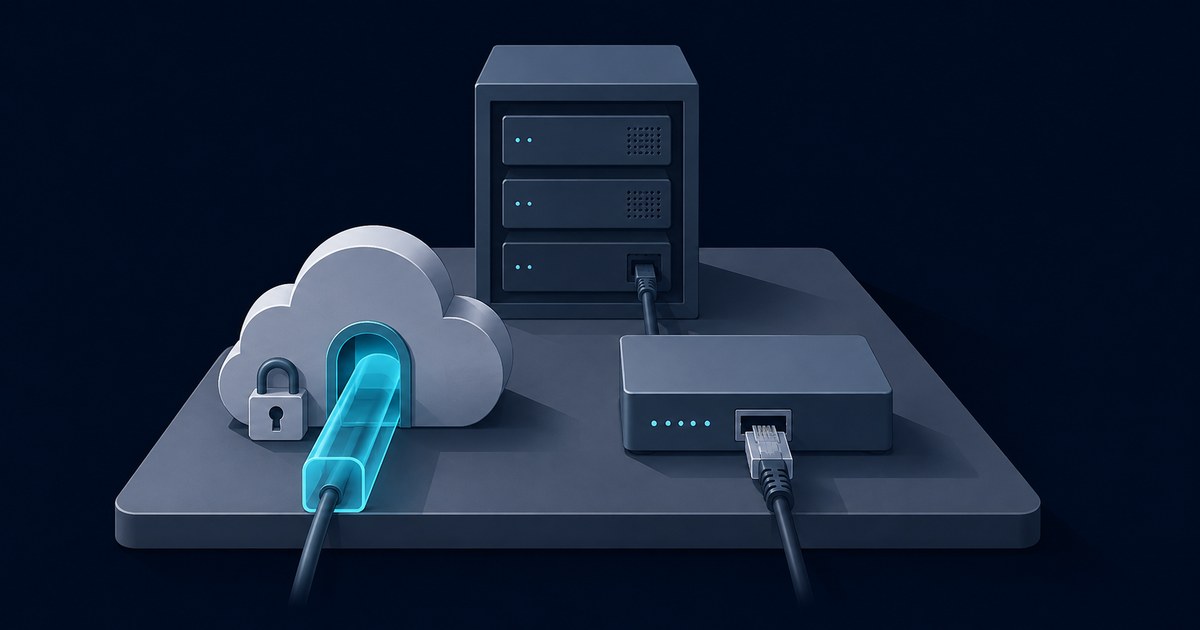
Cloudflare Tunnel vs Port Forwarding: Which to Use
Compare Cloudflare Tunnel vs port forwarding for CGNAT, DDNS, SSH, WebSockets, upload limits, authentication …
 Featured
 Cloudflare WARP vs VPN explained: compare consumer WARP and the managed client, with private access, split tunnels, client modes and device posture.
Read the article →Compare Cloudflare Tunnel vs port forwarding for CGNAT, DDNS, SSH, WebSockets, upload limits, authentication …

One proxies every request through an edge checkpoint, the other builds an encrypted mesh. Compare data paths,…
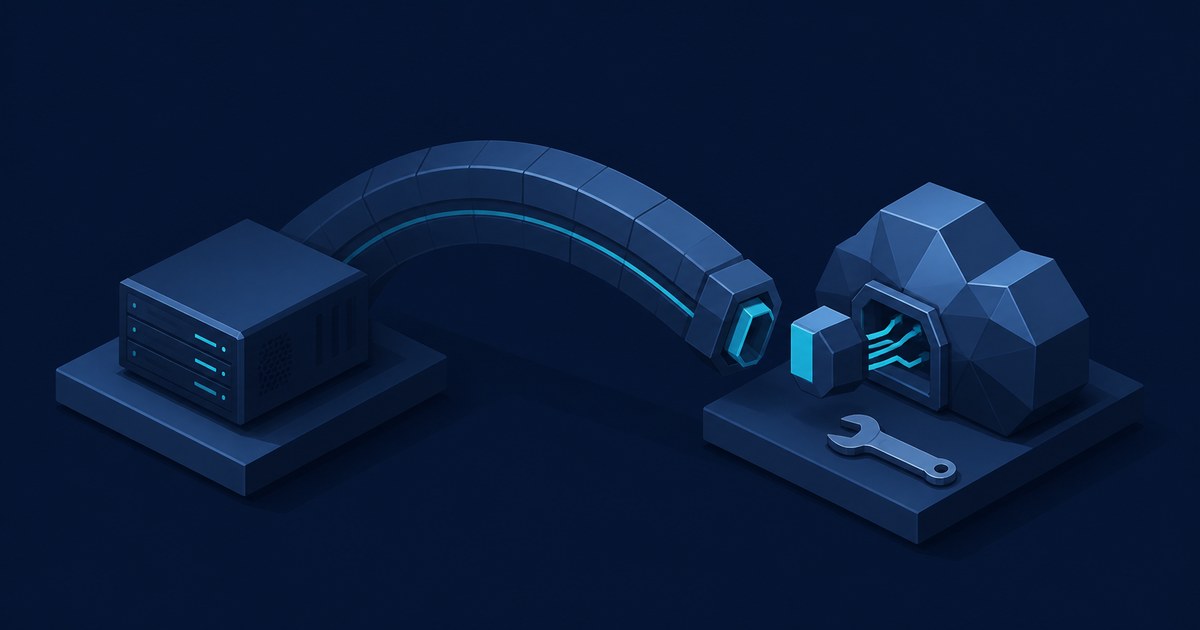
Error 1033 means Cloudflare cannot find a healthy cloudflared connector for the hostname. Follow seven checks…

Install cloudflared, create a tunnel, route a hostname, and run it as a service, with the firewall ports and …

How outbound-only tunnels, identity-aware policies, and device posture replace flat VPN network access, and t…
Start with a tunnel, understand its access policies, choose a client, compare the architecture, or troubleshoot a broken connector.
Prerequisites, the dashboard and CLI paths, ingress rule ordering, and how to verify the origin port is really closed.
Why outbound-only tunnels, identity-aware policies and device posture replace flat VPN network access.
Consumer and managed clients, private access, split tunnels, client modes and device posture.
Proxied checkpoint versus encrypted mesh: data paths, client requirements, posture coverage, account limits and cost.
Error 1033 in diagnostic order, how it differs from a 502, and the redundancy that stops it recurring.
Planning a deployment? The Cloudflare Tunnel connector sizing calculator estimates connector count, bandwidth and posture evaluation volume, with every assumption stated on the page.